ABOUT
WHY EXISTING HOMES
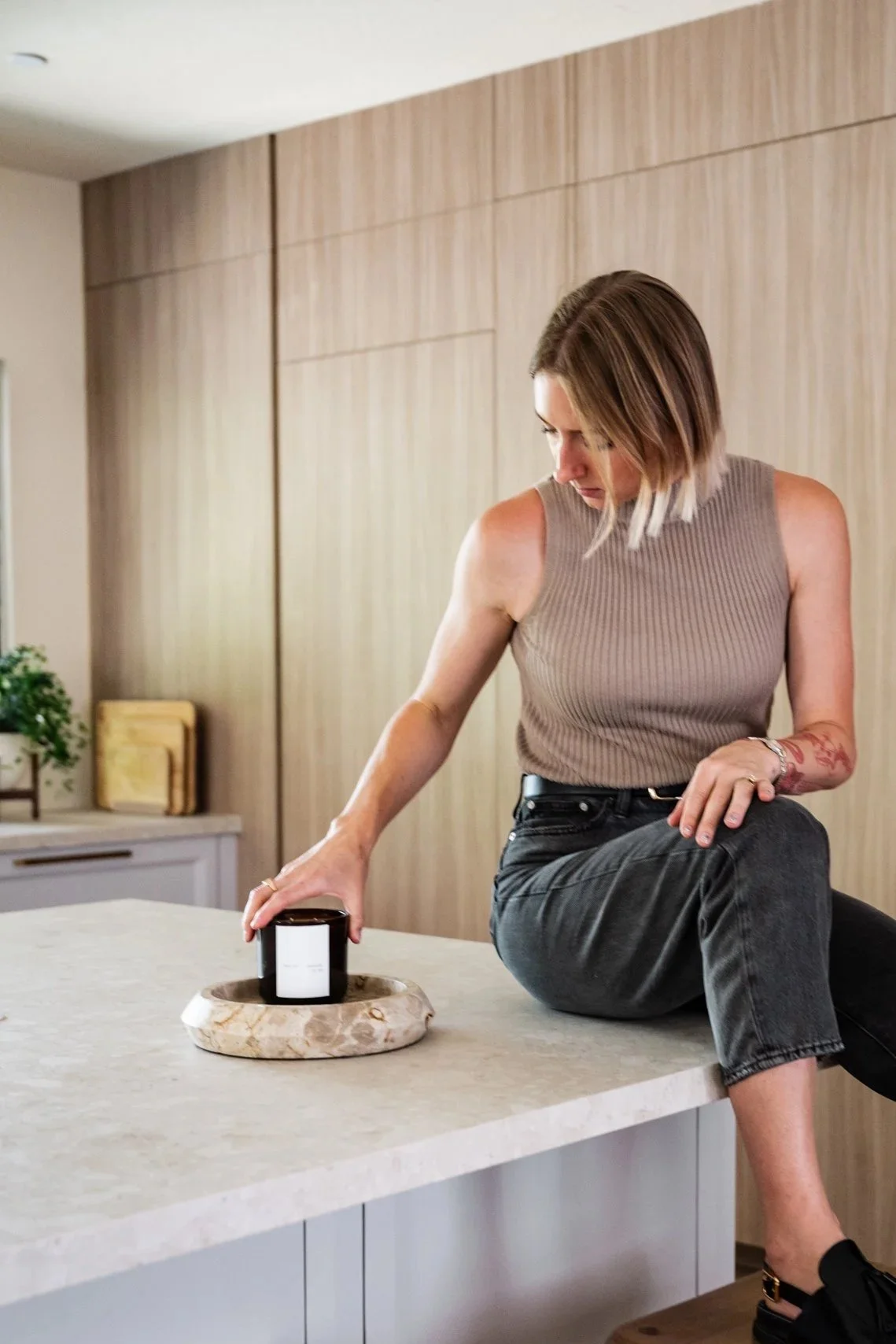
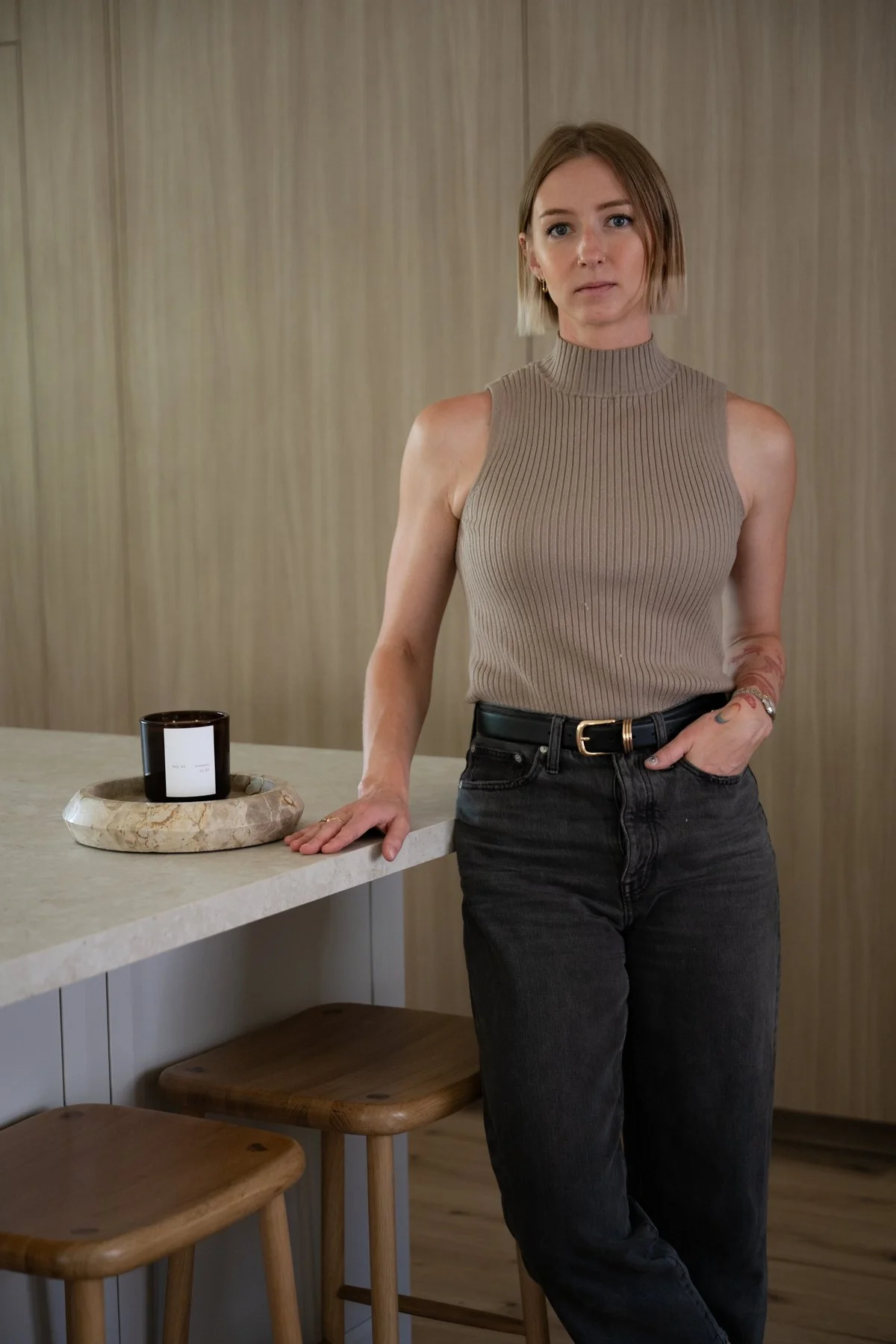
I'm intensely curious, a little obsessive, and more attached to places than I usually admit. I notice buildings, materials, how people move through a room, how a city changes block by block, and I can disappear down a rabbit hole trying to understand something very specific.
Being a professional athlete left me with a lot of discipline and a comfort with repetition, doing something over and over until it's right. I don't care much about perfection for its own sake. I like things with evidence of life in them: patina, craftsmanship, odd details, objects with a story. Character over polish, most days.
I built my own practice partly because I care about freedom, following an idea, changing my mind, deciding things based on what I actually believe. And I take the work seriously without taking the performance of being a designer very seriously. I'd rather be clear and honest than sound impressive.
When I'm not working, I'm usually looking at buildings, traveling, floating, spending time with my husband and our dogs, or getting unreasonably interested in something completely unrelated for a few weeks at a time.
I didn't come up through architecture school or a conventional design firm. Before this, I was a professional pole vaulter. After that, I worked in hospitality sales, at one point selling rechargeable tabletop lighting to hotels and restaurants. I was around interiors constantly, just not yet as the person designing them.
I'd always been drawn to architecture, especially mid-century modern. When I moved to Arizona in 2019, that interest got a lot more specific. Phoenix and Scottsdale have an incredible concentration of postwar and mid-century houses, and I became a little obsessed with them, and with the idea of working on them thoughtfully instead of stripping them down to something generic.
I started Pif. Design Studio and learned the rest by doing it. The practice has grown from furnishings into full architectural work: remodels, additions, space planning, lighting, millwork, material detailing, construction documentation, procurement, and coordination through construction. I work in SketchUp and CAD, and I bring in architects, engineers, and specialty trades when a project needs licensed or technical expertise I don't have myself.
I think of myself as an architectural interiors designer, not an architect. My strength is the territory where the two meet: how a house is planned, how you move through it, where things terminate, how materials meet each other, what gets concealed, what a detail feels like from six inches away. Most of my education has been self-directed and project-based, out of necessity. That path is probably part of why I care less about decoration and more about the decisions underneath a space that make it feel resolved.
An existing house already has a point of view. Someone made decisions about its proportions, materials, orientation, and relationship to the landscape before you ever showed up. Even an imperfect house has something to respond to, which I find far more interesting than a blank slate.
I don't think everything old should automatically be preserved. A house has to keep working for the people living in it. But I do think you should understand what you're removing before you remove it. I've seen how easily a remodel can erase the thing that made a house interesting in the first place, until it's the same generic luxury interior you could drop into any city in the country. I'm increasingly resistant to that.
There's probably something personal in it too. I like that a house can carry evidence of different people and different eras without needing to be frozen. The real question, to me, is how you make the next intervention belong there. How a house evolves without forgetting what it was.
This isn't a new interest for me, just one I'm only now naming clearly. It's part of why I want Pif. to keep moving toward preserving, adapting, and building onto homes with real character, not just making interiors look new.